Mattress protectors and pads are essential for extending the life of bedding materials while maintaining a clean, hygienic sleeping surface. These products provide a barrier against spills, stains, and allergens, and many options feature breathable fabrics and moisture-wicking properties. Understanding the various layers and materials helps determine suitability for sensitive skin or respiratory concerns.
Common mattress protector materials include cotton, microfiber, and polyurethane membranes, each offering different levels of waterproofing, softness, and durability. Some pads incorporate a discreet, quiet backing to minimize crinkle sounds, while others emphasize antimicrobial and hypoallergenic benefits. The right choice balances comfort with protection for longevity of pillows, sheets, and memory foam surfaces.
When evaluating features, consider fit types such as fitted, elastic corner pockets, or flat protectors that sit atop the mattress. Quilted surface designs can add an extra layer of plushness, while waterproof or cloth-backed options address nighttime accidents and sweating. Breathable fabrics help regulate temperature, contributing to a more comfortable sleep environment.
For memory foam pillows and other contouring supports, mattress protectors can prevent oil transfer and reduce wear on the pillow surface, preserving shape and projection. Some pads also provide edge-to-edge protection for the entire mattress, while others focus on zone-specific coverage to accommodate differing firmness or support levels across the bed.
In educational terms, the compatibility of protectors with accessories such as Japanese Size Support Pillows and specialized sheets highlights the importance of adapted sleeping systems. Meta keywords like bedding, pillows, memory foam pillows, sheets, and latex underscore the interrelated roles of fabric choices, protection, and comfort in a well-maintained sleep setup.
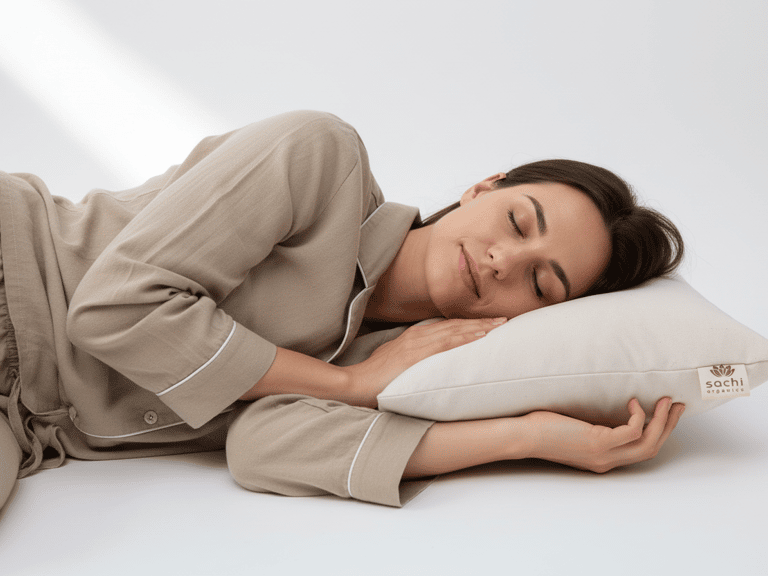 Bedding