Bedroom furniture encompasses essential elements that contribute to comfort, organization, and restfulness in a sleeping space. This category highlights how properly chosen pieces support posture, storage efficiency, and overall room aesthetics. Understanding material types, construction quality, and ergonomic considerations helps in selecting durable, kid-friendly, or hypoallergenic options for daily use.
Key features across bedroom furniture include support systems, frame materials, and finish durability. For example, headboards and bed frames may use solid wood or engineered composites, with finishes designed to resist wear and moisture. Properly engineered frames reduce noise, enhance stability, and extend the lifespan of the sleeping surface throughout years of use.
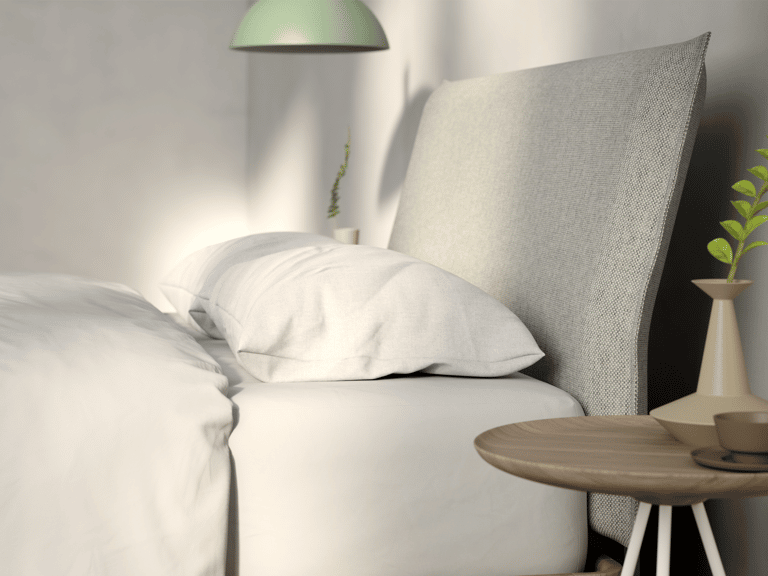
Within this category, elements like the Pillow Repose Headboard illustrate how design intersects function and comfort. The headboard offers supportive contact for sitting up in bed, contributes to room insulation by reducing drafts, and can harmonize with various mattress types, including memory foam pillows and latex bedding, to maintain consistent sleep ergonomics.
Understanding compatible bedding materials is also essential. Bedding such as sheets and pillow configurations should align with the room's climate and comfort preferences. Memory foam pillows, latex options, and breathable fabrics influence temperature regulation, spinal alignment, and pressure distribution, complementing the performance of the bed frame and headboard.
Educational considerations for selecting bedroom furniture emphasize measurements, assembly requirements, and maintenance practices. Assessing weight limits, joinery quality, and care guidelines helps ensure safe use, easy assembly, and long-term cleanliness. Integrating knowledge about bedding types and pillow anatomy supports a cohesive, healthy sleeping environment.
 Furniture